The first week of spring motivation is electric. Week two is quieter, and that is exactly where the real work begins. Here is how to keep moving.
Health & Wellness Tips • Advice • Inspiration & More

Interviews
Advice
Inspiration
& More
There is something almost magical about that first week of spring energy. You lace up your trainers, step outside, and feel genuinely excited about moving your body again. The air smells different. The light is back. Everything feels possible. But then week two arrives, and that novelty softens just enough to let your old habits nudge their way back in. The alarm goes off and the sofa suddenly looks very reasonable. This is not a failure of willpower. It is simply how habit formation works, and understanding that is the first step to working with it rather than against it.
Most people assume that motivation is what drives consistency. In reality, it is structure. When the excitement of something new fades, what keeps you going is a clear, low-pressure plan that does not require you to feel inspired every single day. That is especially true when you are shifting your workouts from an indoor routine to an outdoor one. The environment changes, the variables change, and without a little forward thinking, even the most well-intentioned plan can quietly dissolve by the end of week two. The good news is that a few simple adjustments are all it takes to make outdoor exercise feel genuinely sustainable.


Start by thinking about timing before you think about anything else. One of the biggest reasons people abandon outdoor workouts in spring is that they pick a time that sounds good in theory but does not actually suit their life. Mid-morning might feel ideal until you remember the school run. Early evening sounds lovely until work runs over. Spend a few minutes this week looking at your diary and identifying two or three realistic windows where outdoor movement is genuinely possible. These do not need to be long sessions. Even twenty to thirty minutes of intentional movement outside is enough to build the habit. Consistency matters far more than duration at this stage.
Once you have your timing sorted, it is worth doing a little location scouting in and around Mayfield. You do not need a scenic trail or a perfectly flat path, you just need somewhere that feels accessible and pleasant enough that you will actually go there. Think about the routes you already walk, the parks nearby, or even quiet residential streets where you can move without distraction. Having two or three familiar spots means that if one feels uninspiring on a given day, you have an easy alternative without having to think too hard about it. Removing decisions from the equation keeps momentum going.
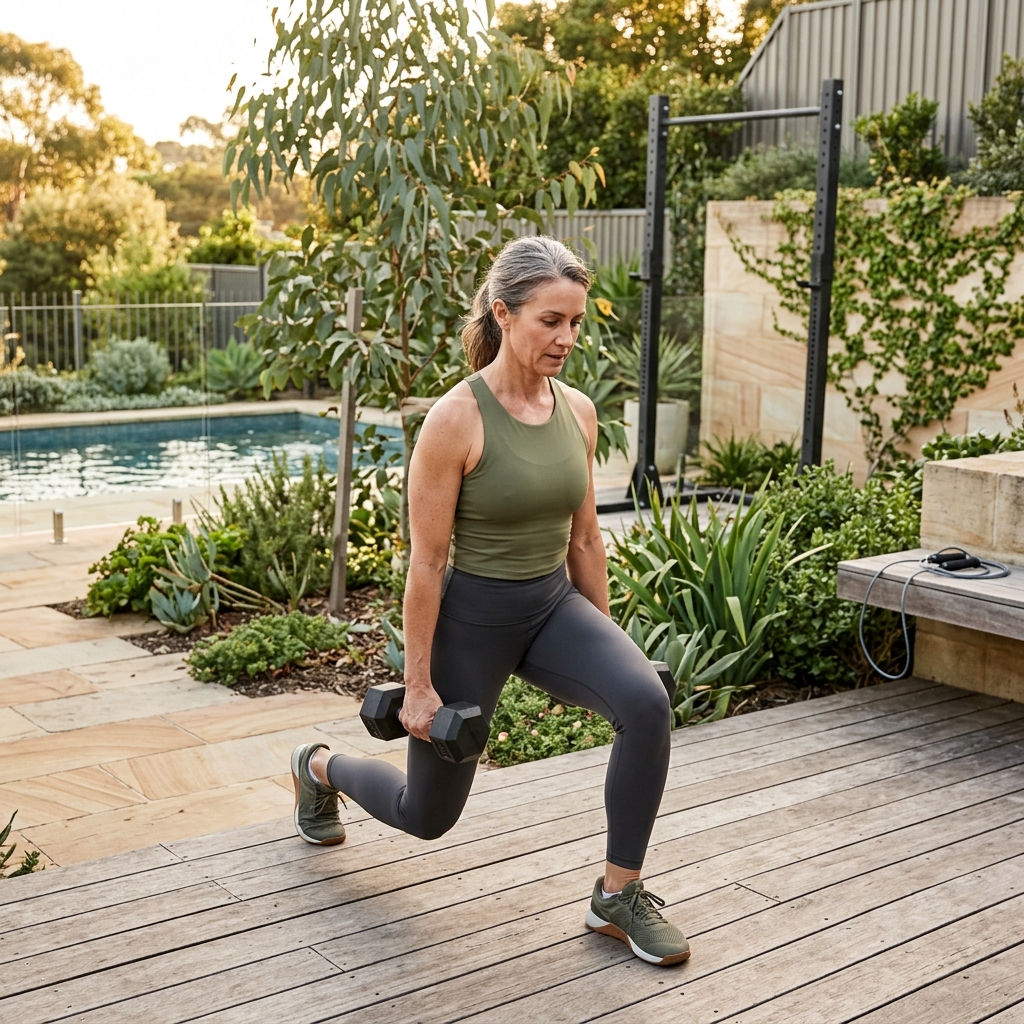
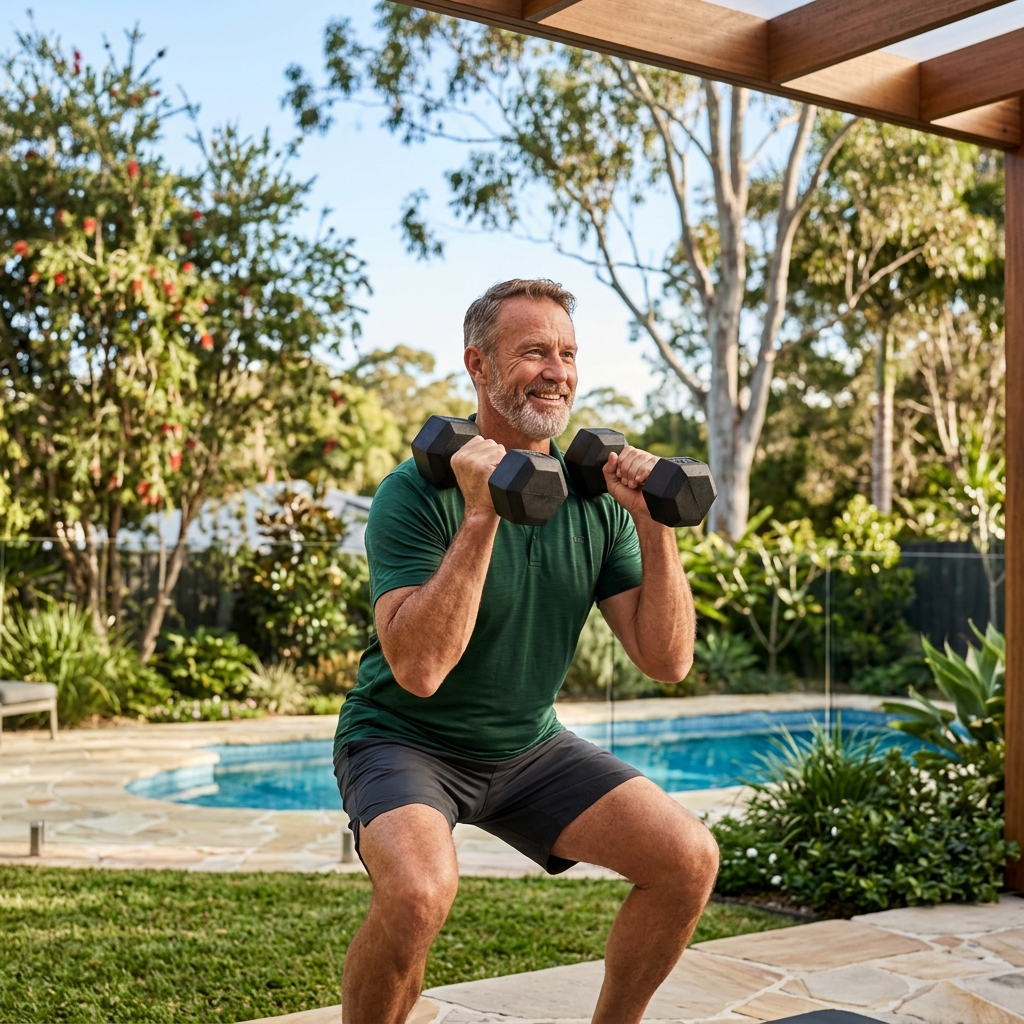
Adapting your existing indoor exercises to an outdoor setting is simpler than most people expect. Bodyweight movements like squats, lunges, press-ups, and step-ups translate directly to any outdoor space. A park bench becomes a platform for incline work. A gentle hill adds natural resistance to a walk or jog. If you have been following a structured class or programme indoors, try taking the core elements of that session outside and letting the environment do some of the work. Fresh air and natural light genuinely affect how your body feels during exercise. Many people find they can sustain effort for longer outside without it feeling as hard.
The key through all of this is to keep the pressure low. You are not training for an event. You are building a routine that fits your actual life, and that takes a little patience and a little flexibility. Some days will feel better than others. Some sessions will be shorter than planned. That is not a problem, that is just how it goes, and recognising that early makes it far easier to keep showing up.
Latest News from Sculpt and Flow Fitness



What To Do Next
Here is a simple, practical plan for this week. Use it as a starting point and adjust it to suit your own schedule, your energy levels, and what genuinely appeals to you.
First, block out your outdoor windows now. Open your diary or phone calendar and mark two or three slots this week where you will move outside. Treat them with the same respect you would give a meeting or an appointment. This single step is one of the most effective things you can do to shift from intention to action.
Second, scout your two favourite local spots before your first session. Walk or drive past them, note what is there, and picture yourself moving in that space. This sounds simple because it is, but it removes the small friction of figuring out where to go when you are already in your kit and ready to leave the house.
Third, take one exercise from your current indoor routine and plan to do it outside this week. Just one. It might be a short walk turned into a brisk twenty-minute loop. It might be a bodyweight circuit on a flat patch of grass. It might be a slow jog between two landmarks and a walk back. The specific exercise matters far less than the act of doing it in a new environment and discovering that it works.
Fourth, tell someone. Share your plan with a friend, a partner, or someone in the Sculpt and Flow community. Accountability does not have to be formal or complicated. A quick message saying what you are planning is often enough to make it real.
Finally, be kind to yourself through week two. This is the quiet part of the process, the part that does not always feel exciting but is where real change actually happens. Every session you complete this week, however short or imperfect, is a deposit into something genuinely worth building.
Spring is here. Mayfield is at its best when the days are longer and the air is fresh. You do not need a perfect plan. You just need a good enough one and the willingness to start.
Join the movement at Sculpt & Flow
Contact Us
We will get back to you as soon as possible.
Please try again later.
Join the Sculpt and Flow Movement