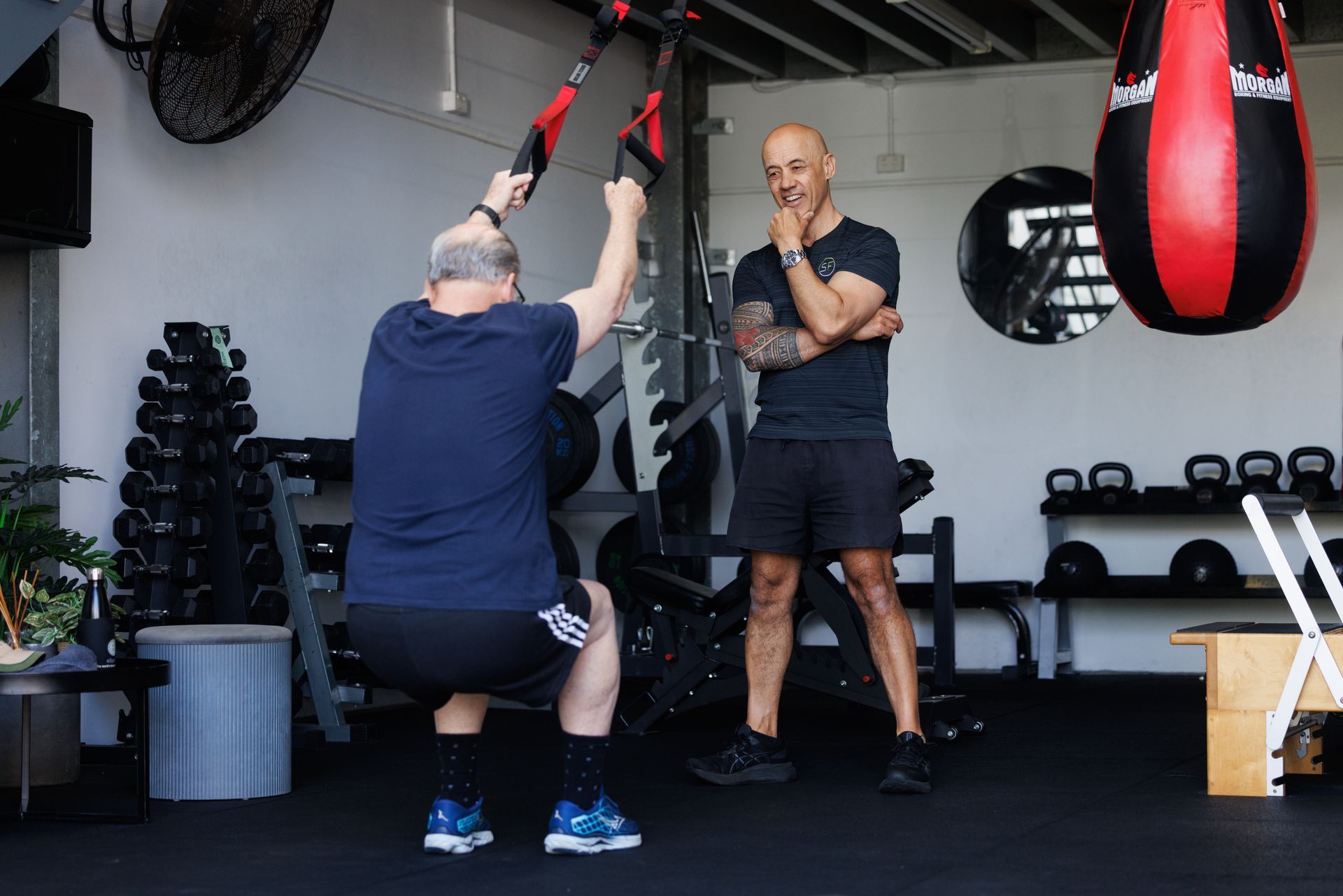
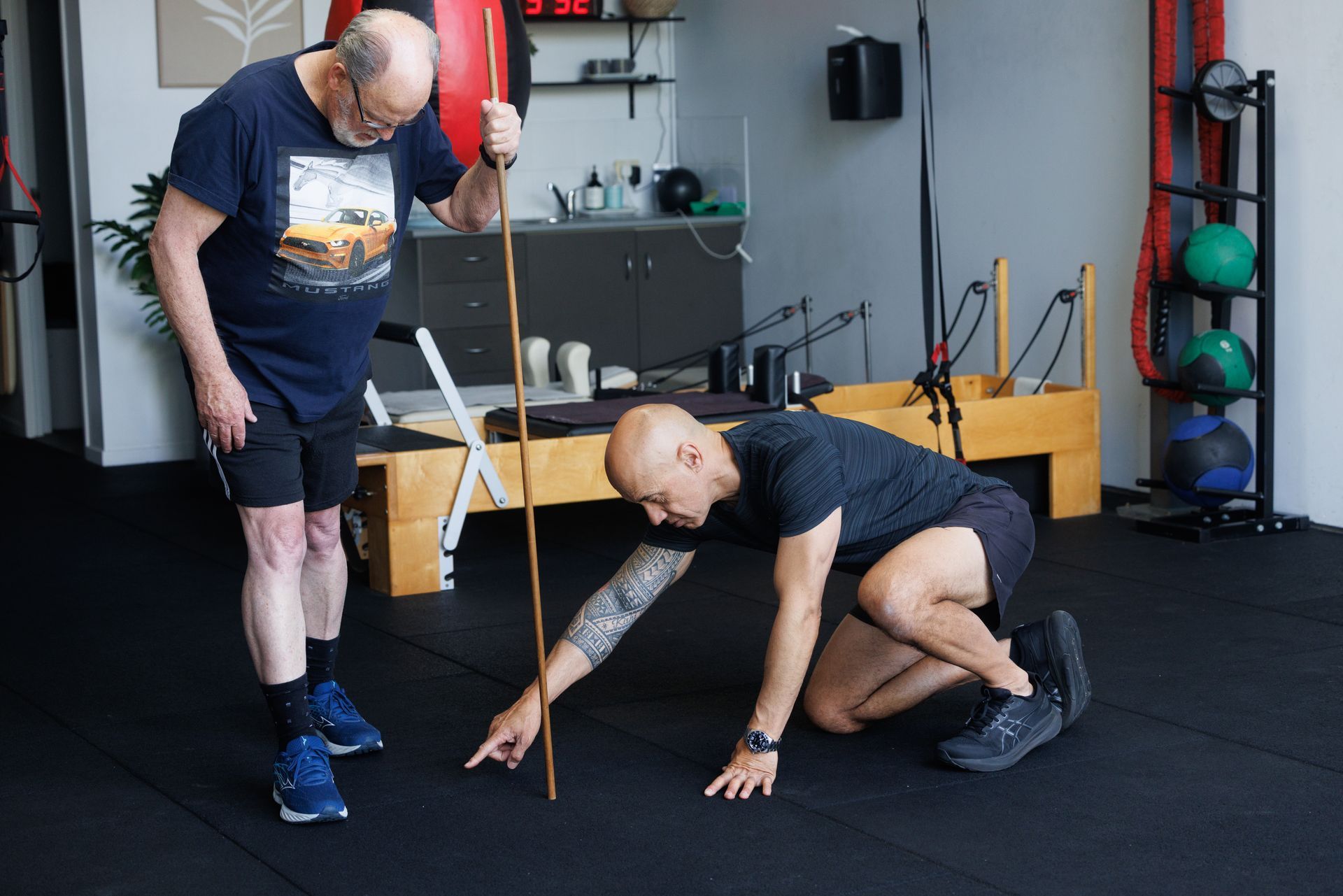
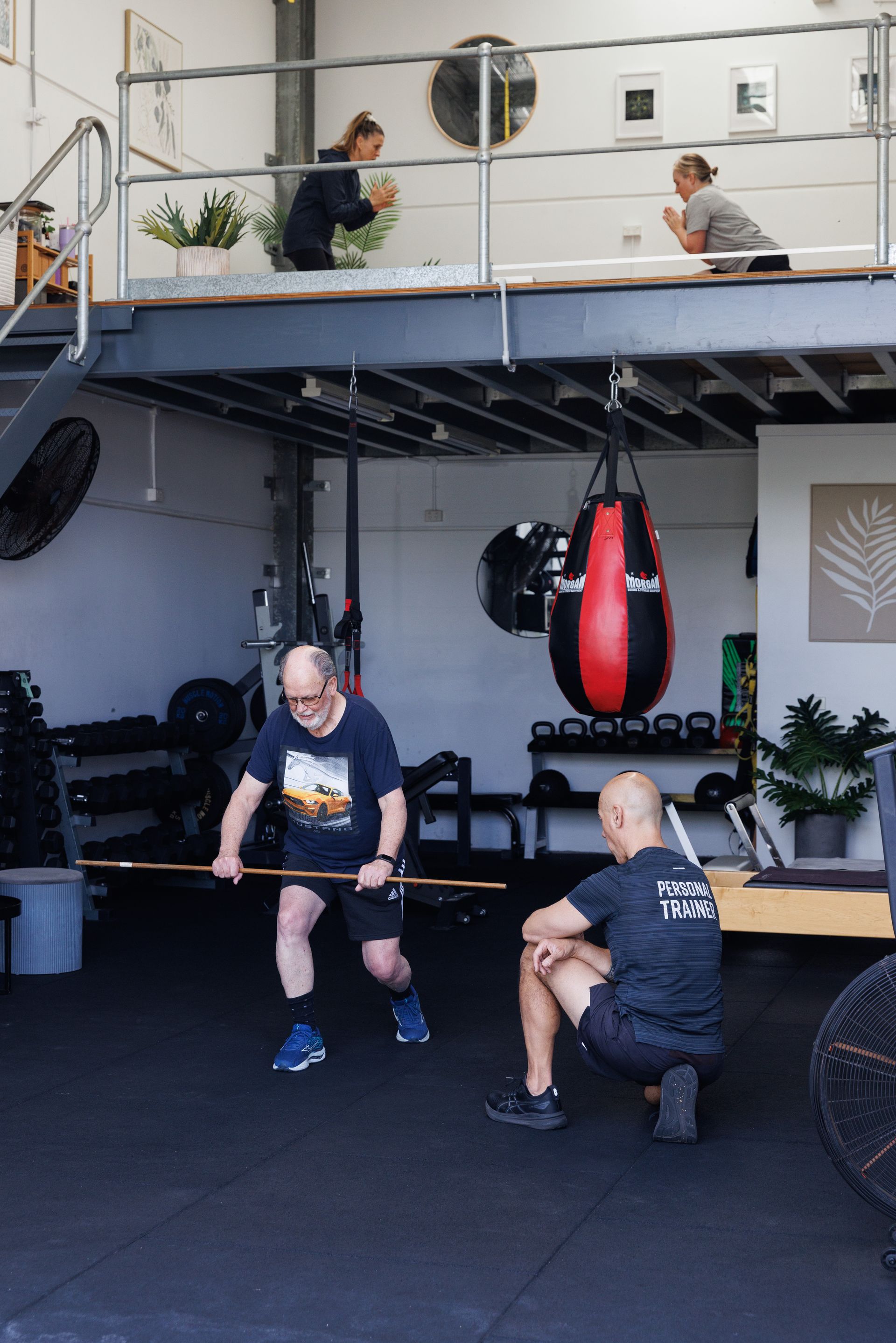
Day 2 of our Strength After 50 series tackles one of the biggest myths we hear at Sculpt and Flow - and once you understand the truth, we think you will feel genuinely excited to get started.
Health & Wellness Tips • Advice • Inspiration & More

Interviews
Advice
Inspiration
& More
Let's be honest. If you have ever stood in the gym wondering whether picking up a weight might leave you looking like a competitive bodybuilder, you are not alone. It is one of the most common concerns we hear, especially from women and from people stepping into strength training for the first time after 50. The image of bulging muscles can feel intimidating, even off-putting. But here is the thing - that fear, while completely understandable, is not grounded in how your body actually works. Not even close. So today we are going to gently unpack the myth, explain what strength training really does to the body after 50, and hopefully leave you feeling reassured, informed, and maybe even a little bit excited about what is possible for you.
The bulk myth comes from somewhere real. Competitive bodybuilders do build significant muscle mass, but the way they train and eat is a world away from what happens in a typical strength session. Those athletes follow extremely specific, high-volume training programmes, consume precise amounts of protein and calories, and often train for many hours each week over many years. Many also use performance-enhancing substances. For the average person, and especially for women and adults over 50, that kind of result simply does not happen by accident. It is not something your body is quietly plotting to do the moment you touch a dumbbell.
Here is the science, in plain language. Muscle bulk is driven largely by testosterone. Men have significantly higher testosterone levels than women, which is why male bodybuilders can build considerable size with the right training and nutrition. Women have much lower testosterone levels, and that hormonal environment makes substantial muscle bulk genuinely difficult to achieve, even with dedicated effort. After 50, both men and women experience a natural decline in hormone levels, including testosterone and oestrogen, which actually makes building large amounts of muscle harder, not easier. So if anything, the biology is working in the opposite direction to bulk.
What strength training actually does to the body after 50 is far more interesting and far more useful than bulk. When you train with resistance, whether that is weights, resistance bands, or bodyweight exercises, your muscles adapt by becoming stronger and more efficient. You begin to notice definition and tone, which is simply what happens when muscle becomes firmer and body composition shifts gradually over time. That toned, lean look that so many people are hoping for is not achieved by avoiding strength training. It is achieved by doing it. Beyond the visual changes, strength training after 50 does something even more important. It protects your bones by stimulating bone density, supports your joints by strengthening the muscles around them, improves your balance and coordination, and helps maintain the functional strength you need for everyday life. Think about carrying groceries, getting up from a chair comfortably, or managing a flight of stairs without a second thought. Strength training is what keeps those things easy and effortless as the decades pass. It also has a meaningful impact on metabolism, helping your body use energy more effectively, which supports a healthy weight over time. None of that is about bulk. All of it is about quality of life.
At Sculpt and Flow, we work with you one to one, which means your programme is built entirely around your goals, your body, and where you are starting from. There is no generic plan, no one-size-fits-all approach, and absolutely no pressure to lift heavy if that does not suit you. If toning, strengthening, and feeling more capable in your body is what you are after, that is exactly what we focus on. Our approach is gentle, progressive, and designed to build your confidence alongside your strength. If you have questions, or if you would simply like to have a conversation about what getting started might look like for you, we would love to hear from you. You can reach out to us here in Mayfield and we will take it from there, together.


Join the movement at Sculpt & Flow
Contact Us
We will get back to you as soon as possible.
Please try again later.
Join the Sculpt and Flow Movement