Winter is winding down, and that slower pace is actually your greatest asset right now. Here is how to use it wisely.
Health & Wellness Tips • Advice • Inspiration & More

Interviews
Advice
Inspiration
& More
There is something quietly powerful about the tail end of winter. The mornings are still cool and unhurried, the social calendar has not yet filled up, and the pressure to be everywhere at once has not quite returned. For anyone in Mayfield aged 25 to 65, this window is genuinely one of the best opportunities of the entire year to build a consistent morning movement routine. Not because of some arbitrary fresh-start energy, but because the conditions are simply right. Fewer distractions, a natural inclination toward stillness, and a little extra time before the season shifts.
The mistake most people make is waiting for spring to feel motivated. They imagine warmer weather and longer days will somehow make it easier to get started, and sometimes that is true for a week or two. But motivation that depends on perfect conditions tends to fade just as fast as it arrives. Momentum, on the other hand, is something you build quietly over time. And the people who feel genuinely strong and capable when October rolls around are almost always the ones who started moving in August, when nobody was watching and the stakes felt low.


So what does a sustainable morning routine actually look like? The good news is that it does not need to be complicated, long, or intense to be effective. In fact, the simpler it is, the more likely it is to stick. A ten-minute stretch sequence on your bedroom floor before you even look at your phone is a brilliant place to start. Focus on your hips, your spine, and your shoulders, because these are the areas that tighten overnight and that affect how you feel and move all day. You do not need a mat, a programme, or a perfect playlist. You just need the floor and a few minutes of intention.
If you prefer to get outside, a gentle twenty-minute walk on a cool winter morning is genuinely one of the most underrated things you can do for your body and your mind. The fresh air, the natural light, and the low-impact movement combine in a way that no indoor machine can quite replicate. Dress warmly, keep the pace comfortable, and leave your phone in your pocket if you can. The point is not to smash a personal best. The point is to show up consistently enough that your body starts to expect it and your mind starts to crave it.
For those who want something slightly more structured, a simple bodyweight sequence done at home takes about ten to fifteen minutes and requires no equipment at all. Think five squats, five push-ups, a plank hold, and a gentle cooldown stretch repeated two or three times. It sounds modest, but done four or five mornings a week over the next six weeks, it builds a foundation of strength and consistency that will carry you comfortably into the spring season and beyond. The psychological benefit of knowing you have already moved by 7am is difficult to overstate. It shapes the rest of your day in ways that feel almost disproportionate to the effort involved.
What To Do Next
If you are ready to use these last weeks of winter wisely, here is a straightforward plan to get started without overthinking it.
Latest News from Sculpt and Flow Fitness


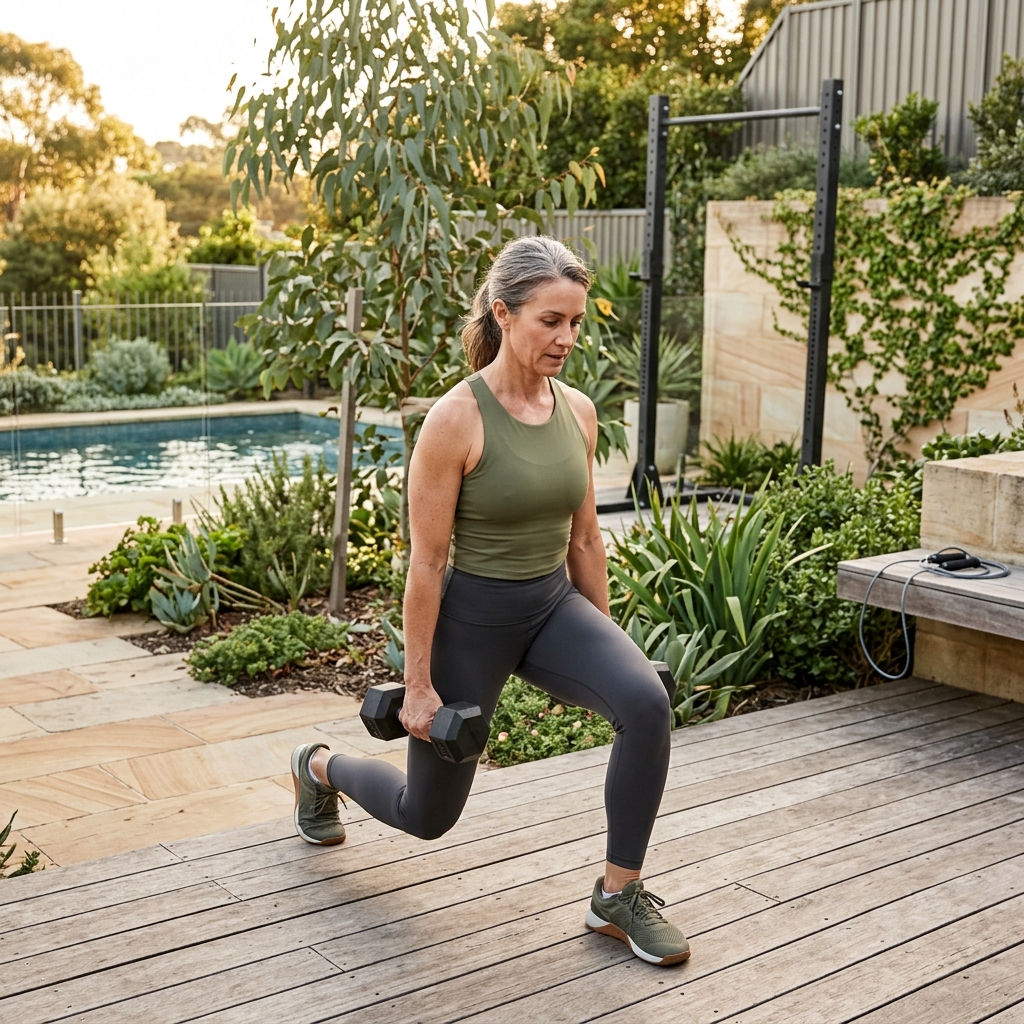



First, choose just one habit to begin with. Pick the option that feels most accessible to you right now, whether that is a morning stretch, a short walk around the Mayfield streets, or a simple bodyweight circuit at home. Trying to do all three at once is how routines collapse before they begin. One habit, done consistently, is worth far more than three habits done occasionally.
Second, anchor your new habit to something you already do every morning. The moment you wake up and before you make coffee, or straight after your shower, are both reliable anchor points. Pairing a new behaviour with an existing one dramatically increases the chance that it becomes automatic over time rather than something you have to negotiate with yourself about each day.
Third, keep your gear ready the night before. If you plan to stretch, leave your mat or a clear patch of floor space ready to use. If you plan to walk, put your shoes and a warm layer by the door. Reducing the friction between waking up and actually starting is one of the most practical things you can do to protect your new habit from the lazy logic of early mornings.
Fourth, aim for four mornings a week rather than seven. Five is great if it happens, but four is your sustainable baseline. Building in flexibility means a missed day feels like a rest rather than a failure, and you are far more likely to return the next morning without guilt or drama.
Finally, come and see us at Sculpt and Flow in Mayfield. Whether you are just starting out or returning to movement after a quieter period, our team genuinely loves helping people find a rhythm that fits their life. We offer a welcoming space, experienced guidance, and a community that makes showing up feel good rather than obligatory.
Spring is coming, and it arrives quickly. The people who meet it already moving, already consistent, and already feeling capable are the ones who built that feeling now, in the quiet, unhurried weeks before everything picks up again. That person can absolutely be you.
Join the movement at Sculpt & Flow
Contact Us
We will get back to you as soon as possible.
Please try again later.
Join the Sculpt and Flow Movement