As we sail past our 40th birthdays, many of us start to notice subtle shifts in our bodies. One of the most significant, yet often invisible, changes is the gradual loss of muscle mass, a process known as sarcopenia. This isn't just about aesthetics; it has real implications for our strength, stability, and overall health as we age. The good news is that we have a powerful tool to combat this decline: resistance training.
After the age of 30, we can lose approximately 3-5% of our muscle mass each decade, and this process can accelerate after 40. This loss of muscle isn't just a matter of declining strength. It can affect our balance, mobility, and even our metabolism. Less muscle means a slower resting metabolic rate, which can contribute to weight gain.
This is where resistance training comes in. It's not about becoming a bodybuilder, but about investing in your future health and independence. By regularly challenging our muscles, we can slow down and even reverse age-related muscle loss. Strength training has been shown to be a potent way to maintain and build muscle mass, which in turn supports our joints and bones. In fact, studies have shown that just two half-hour sessions of high-intensity resistance and impact training a week can significantly increase bone density in post-menopausal women.
The benefits of incorporating resistance training into your routine extend beyond the purely physical. It can improve your mental health by reducing symptoms of anxiety and depression and boosting your mood. Furthermore, building "real-world" strength makes everyday activities like carrying groceries, playing with your kids, or moving furniture easier and safer.
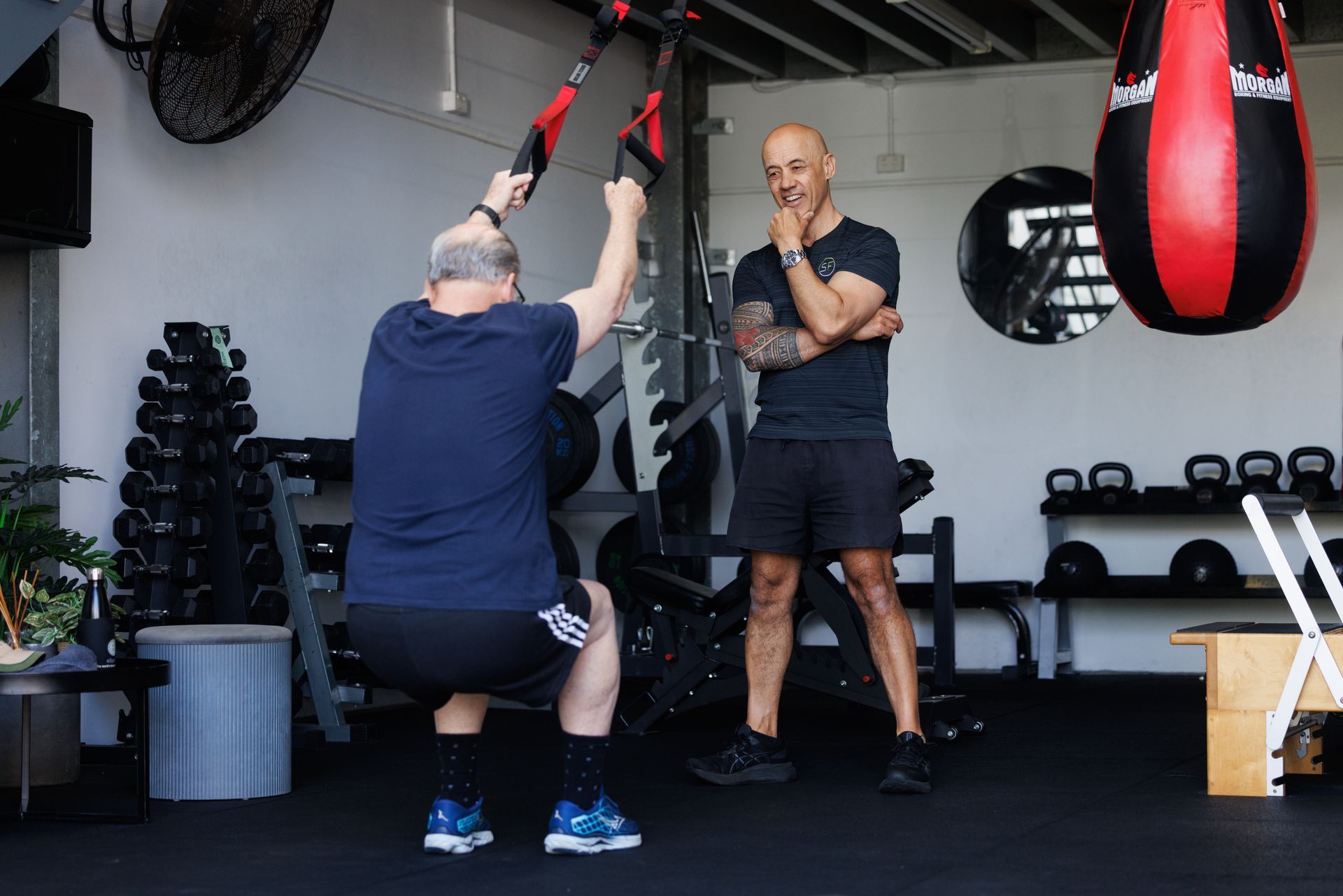
You don't need to spend hours in a gym to reap the rewards. The key is consistency. Aim for at least two sessions of muscle-strengthening activities per week. This could involve lifting weights, using resistance bands, or even performing bodyweight exercises. The most important thing is to find an activity you enjoy and to make it a regular part of your life. It's a case of "use it or lose it", and by choosing to use our muscles, we're making a vital investment in a healthier, more active future.